Over the last year or so, I’ve received a handful of emails asking why my site doesn’t have a search function. The short answer is that WordPress wants more money for it than I’d like to spend.
As a workaround, I’ve compiled links for every review I’ve written for this site into a new Page: the Post Archive! It’s got all my reviews in chronological order, newest to oldest.
I’ve got it organized by post type, album and artist, and genres covered in a given post. I may not have a proper search bar, but now you can go there and Ctrl+F for whichever artist or genre or post type you like.
Silk Road is (was? Their Bandcamp page makes it sound like the band broke up, but the email I received from the band spoke about themselves in the present tense.) a Newcastle-based band that plays a complex, progressive variety of post-punk. The music on this record is jagged and biting, clearly drawing influence from London’s Windmill scene.
Pure Reason Revolution is a band I haven’t really kept up with. I absolutely love their debut record, The Dark Third. It’s an exciting and inventive blend of prog and post-rock with some good pop sensibilities. As someone who is a sucker for complex vocal arrangements, it’s right up my alley. I’ve checked in on them from time to time, but none of their albums since have particularly held my interest. None have been bad, by any means, but they just haven’t spoken to me.
Terrifying Angels, PRR’s seventh full-length release, is their first to really grab my attention in a while. The band has kept their signature sound, but they’ve also made some noticeable changes. This is their heaviest and most aggressive record to date, with significant alt-rock and alt-metal inclusions. My gut instinct is to call this the best Porcupine Tree record since Anno Domini High Definition, but that’s unfair to these guys, Riverside, and Porcupine Tree. It should get the general point across, though.
Quivira is a Topeka-based trio, and while this might be their first album, all three members have extensive resumes in progressive rock. The mastermind behind this project is composer and keyboardist Lisa LaRue. She is joined by guitarist John Baker and vocalist Jake Livgren. Livgren is the brother of Kansas guitarist, songwriter, and co-founder Kerry Livgren. Jake Livgren is also a member of Proto-Kaw, an offshoot of Kansas, which actually predates it. (Kansas had a confusing early history, and I’ll dig into more if I ever do a Deep Dive on them.)
LaRue is a member of the Cherokee Nation, and her heritage is reflected in the story of the album. Though not about the Cherokee, this album tells the story of the encounter of the expedition of the conquistador Vasquez de Coronado with the native people of Quivira, in modern-day central Kansas. Quivira was likely populated by the Wichita people, and Coronado was searching for the mythical Seven Cities of Gold.
Band: Antropoceno | Album:No Ritmo da Terra | Genre: Post-rock | Bandcamp
The newest release from this experimental Brazilian act is a harsh and uncompromising record. Taking cues from glitch, avant-garde metal, and native folk, and with lyrics in Portuguese, Tupi, and Yoruba, No Ritmo da Terra is a truly autochthonous Brazilian album. The sound is often maximal, bursting with shining synths, biting guitars and rattling percussion.
Score: 77/100
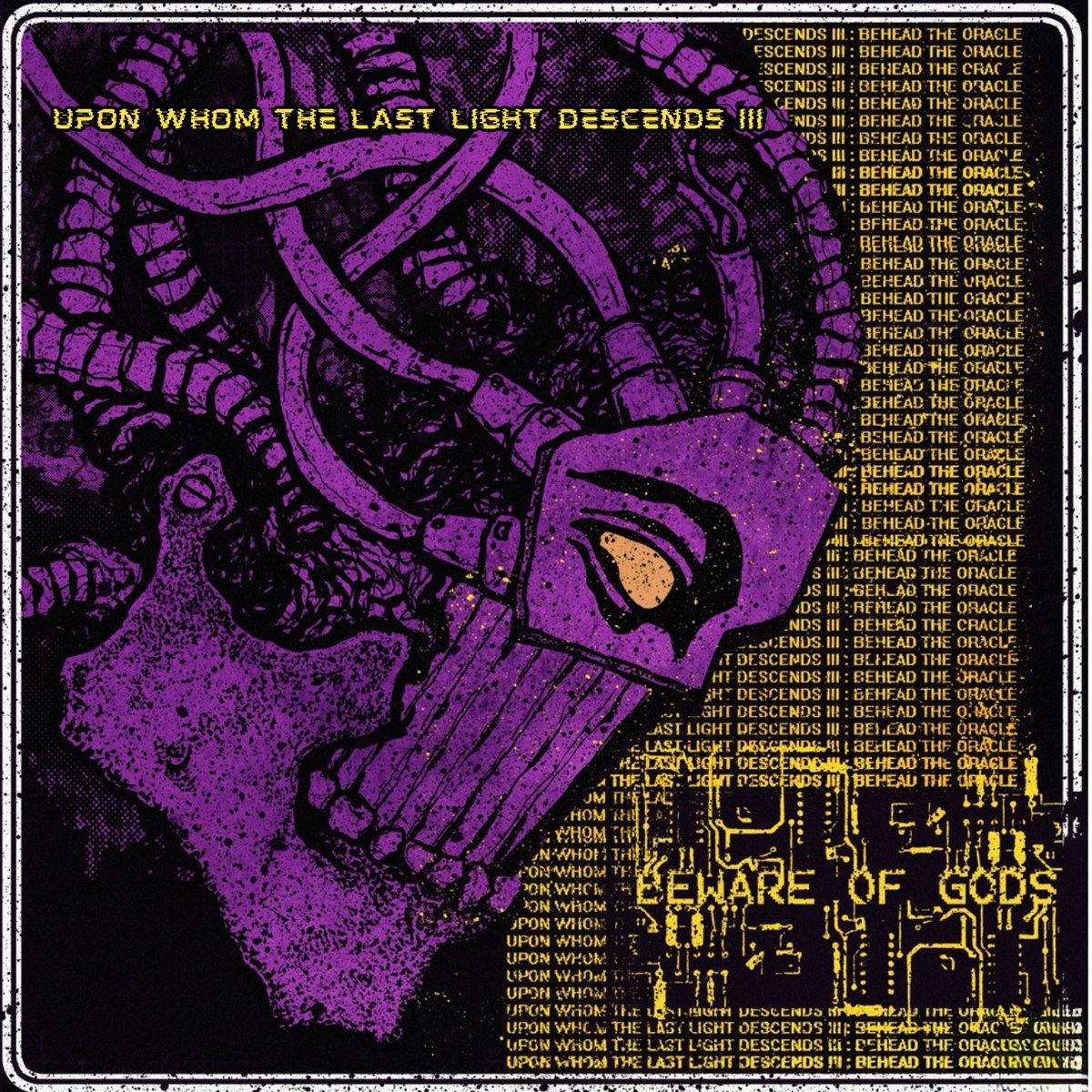
Band: Beware of Gods | Album:Upon Whom the Last Light Descends III: Behead the Oracle | Genre: Sludge metal, Post-metal | Bandcamp
Beware of Gods’ latest album is full of groovy riffs and punishing walls of biting distortion. This band deftly uses texture and atmosphere to paint pictures, and there are a lot of creative and unorthodox choices in how passages and phrases are composed. The sci-fi story the album tells meshes well with the oppressive soundscapes, and this is an instance of things like sound effects and spoken dialogue adding to the effect of the record.
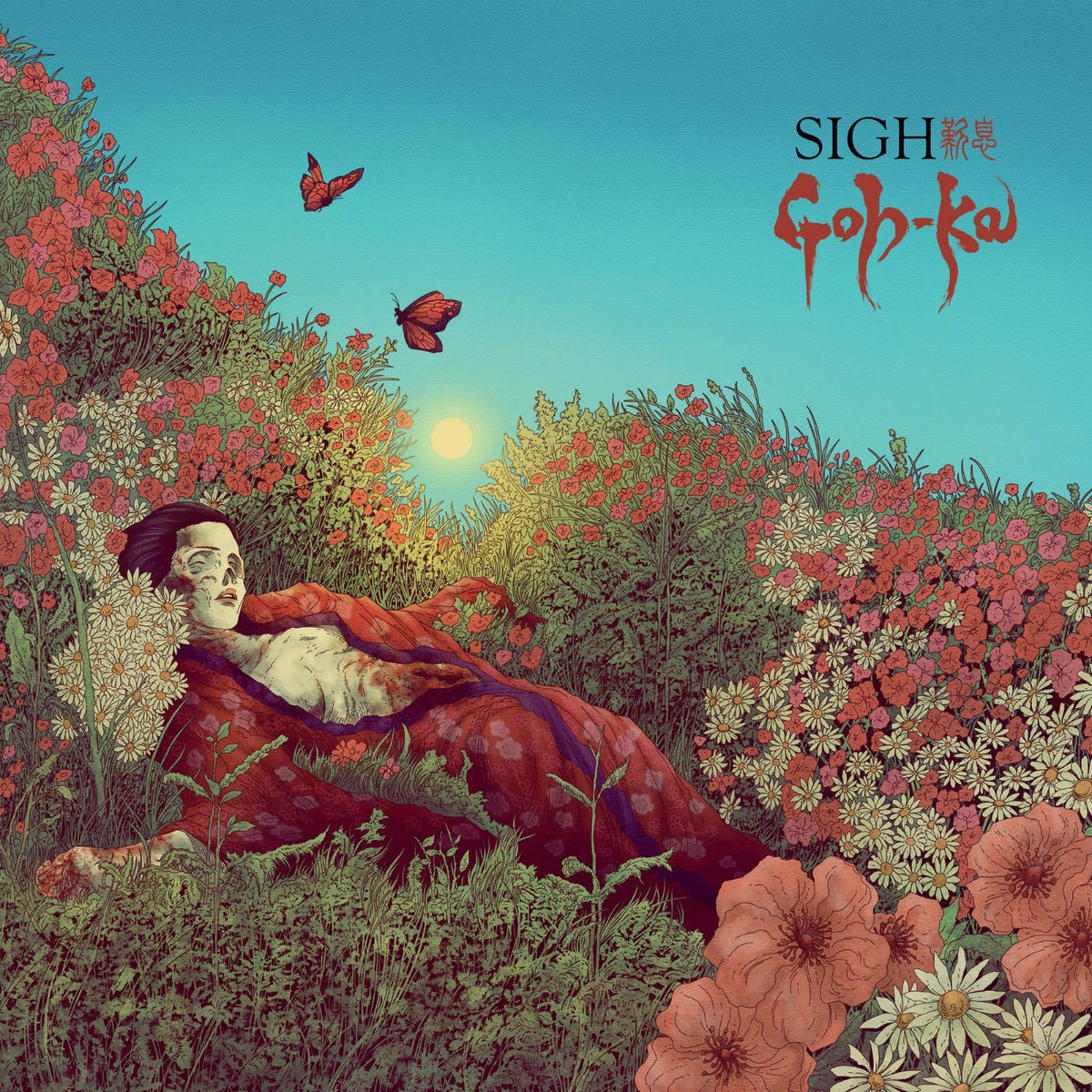
Sigh is one of the longest-running and most influential progressive metal bands out there. Starting off as a symphonic black metal band in the early 1990s, they quickly took a more experimental turn and never looked back.
Goh-Ka is the band’s 14th full-length release (or 13th, if you want to categorize last year’s re-recording of their 2007 album, Hangman’s Hymn, a little differently). This album is based on kusōzu, a Japanese artform depicting the nine stages of decay described in Buddhism. These are used as a means of meditation on impermanence.
The music here sticks to Sigh’s usual style. But where the last album of theirs I listened to–Shiki–left me unimpressed, this is one of their strongest outings. Avant-garde, progressive, and Japanese folk elements play large parts on this album, and the use of recurring musical themes ties everything together. Japanese folk was more prominent than usual on Shiki, and that trend continues here.
Kraanerg is the brainchild of composer and multi-instrumentalist Nat Bergrin, and Aria for Labellum Tongues is their third full-length release (and their second as a full band). This was my first exposure to Kraanerg, and I was very impressed by what I encountered. Western classical music plays a massive role on this record, both in terms of instrumentation and structure. Plenty of bands will shoehorn in some violin, but not many display the ability to integrate classical influences quite like this band does.
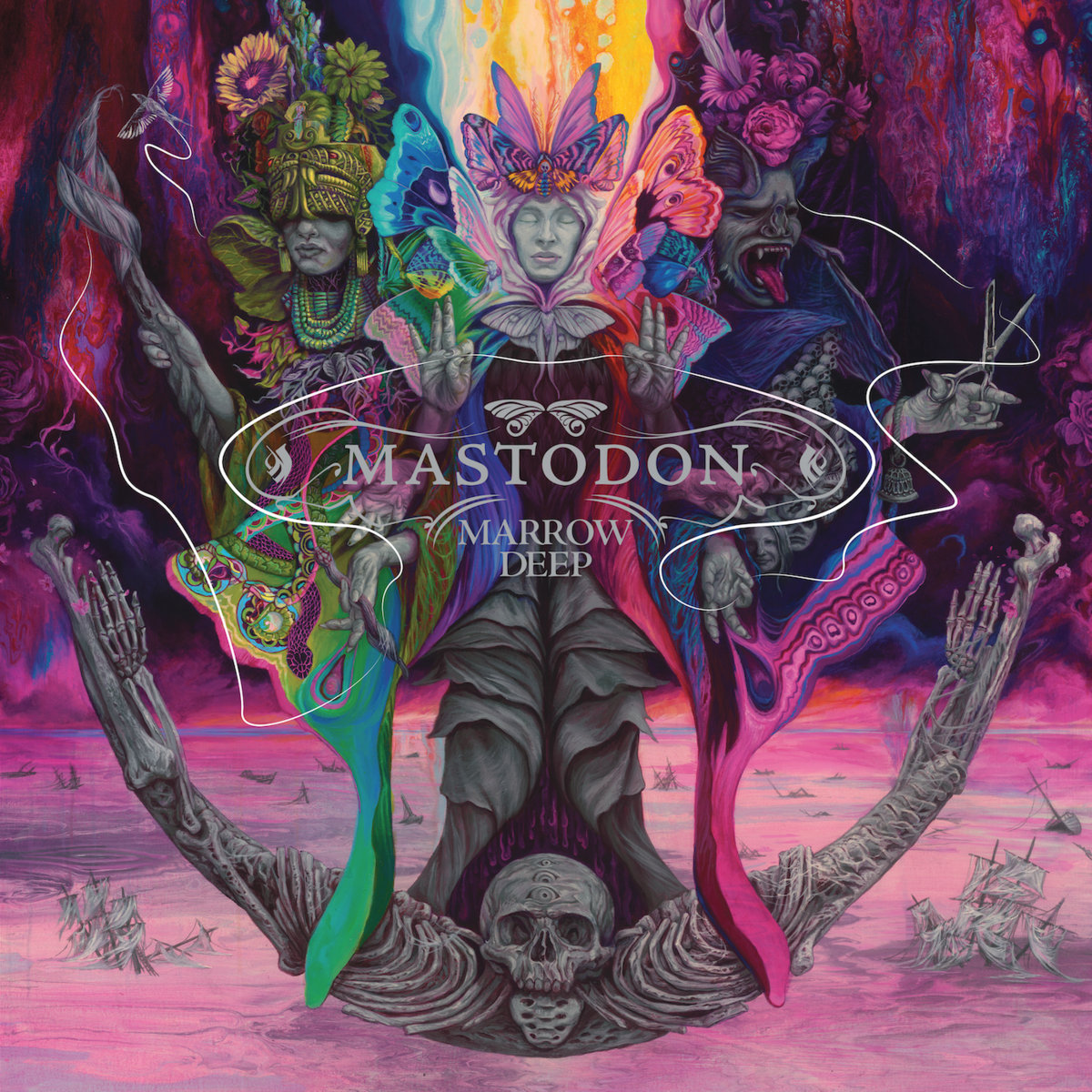
Mastodon is a trailblazing band in the realm of modern metal. As it stands, prog-sludge is one of the most popular varieties of progressive metal, at least by the sheer number of bands playing in that style, and much of that popularity can surely be attributed to these Atlantans.
In revisiting their discography prior to writing this review, I noticed something of a parallel to Metallica’s career trajectory. Both bands started off with four absolutely stunning albums. This phase of work was then followed by a shift toward more radio-friendly sounds. (Obviously, The Hunter was nowhere near the success that Metallica’s self-titled was, but there are still overarching similarities.) Metallica’s subsequent records have ranged from middling (Death Magnetic, Hardwired), to awful (Reload, St. Anger), to downright baffling (Lulu). Mastodon, meanwhile, has been more consistent (and simply better, to be frank), but their output since the masterpiece that is Crack the Skye has oscillated boring-to-okay.
Marrow Deep, the group’s ninth LP, comes at a time of major change for the band. It follows five years after their last album, the perfectly fine but overlong Hushed & Grim. It’s also their first release since the death of guitarist-vocalist Brent Hinds, following his messy firing from the band. Longtime touring keyboardist João Nogueira has also joined the band, officially making Mastodon a quintet, alongside new guitarist Nick Johnston.
Bands: Cocanha, Los Sara Fontán, Tarta Relena | Album:4132314 | Genre: Experimental folk | Bandcamp
This collaboration of three duos is a mixture of original compositions and reinterpretations of folk songs. Cocanha specializes in Occitan polyphony, Los Sara Fontán in Catalan folk, and Tarta Relena in electronic-tinged post-rock; and all three bands’ styles are on proud display here. The vocals are rich, multi-layered, and carefully arranged; and the backing is brimming with odd metrical flourishes. This record feels like it has one foot in the twenty-first century and another in the nineteenth, and it’s a fantastic mash-up.
Score: 86/100
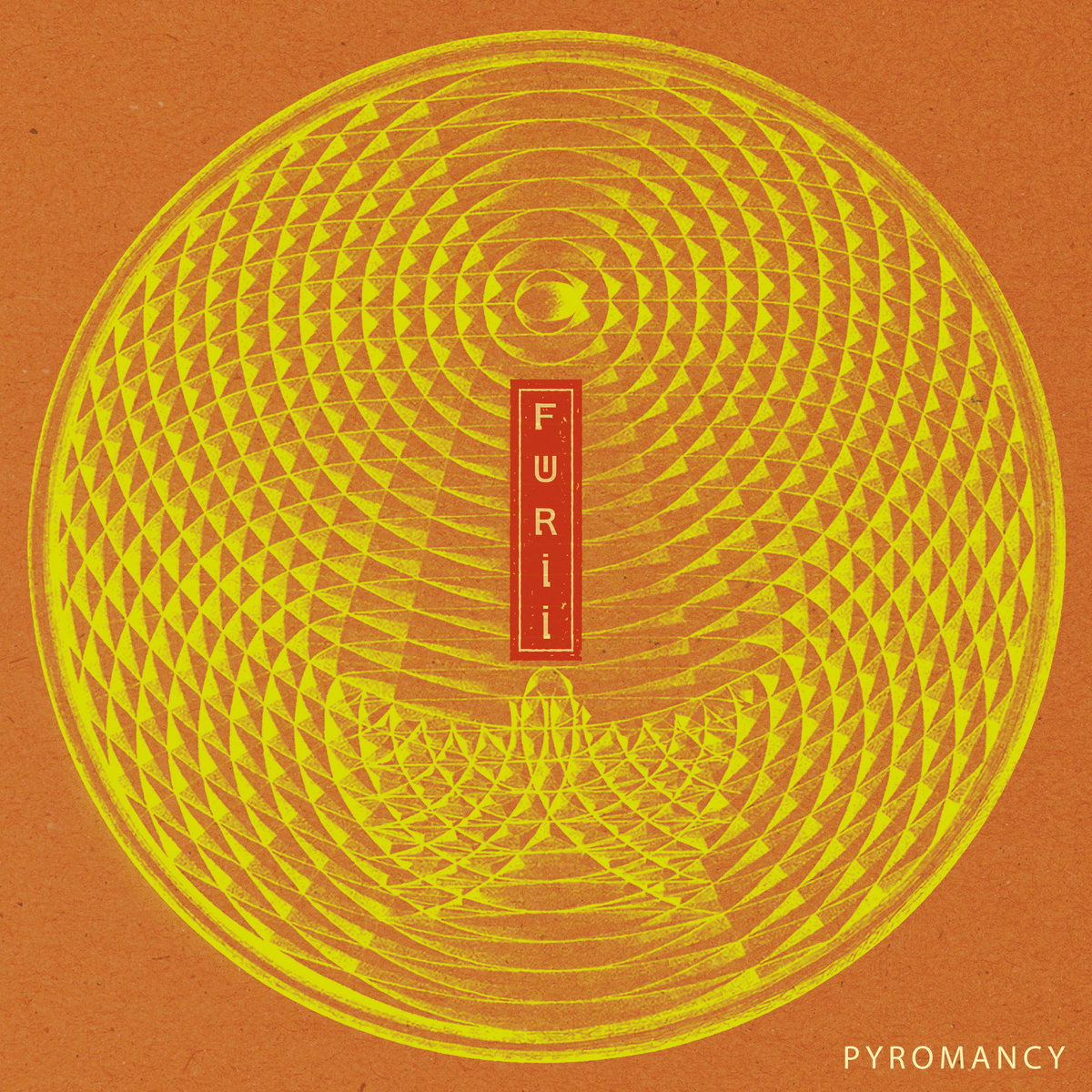
Band: Furii | Album:Pyromancy | Genre: Progressive pop | Bandcamp
Furii (pronounced “fury”) is a Cardiacs-adjacent project, a fact which is unmistakable from this album’s opening moments. Sole bandmember Adrien Rodes is the longtime keyboardist of Spratleys (another Tim Smith project) and an occasional member of Cardiacs’ live band. Joanne Spratley, another member of Spratleys, provides vocals on Pyromancy, and her vocals lend an eerie, airy atmosphere. The textures on this record are psychedelic and dreamy, with tinkling piano and swirling synths. Despite the songs being rather to-the-point, the soundscapes presented are dense and complex, with lots of innovative sonic choices. I found LSD to be an exhausting listen (and not in a fun way), but this is a much more enjoyable spiritual successor to Cardiacs.
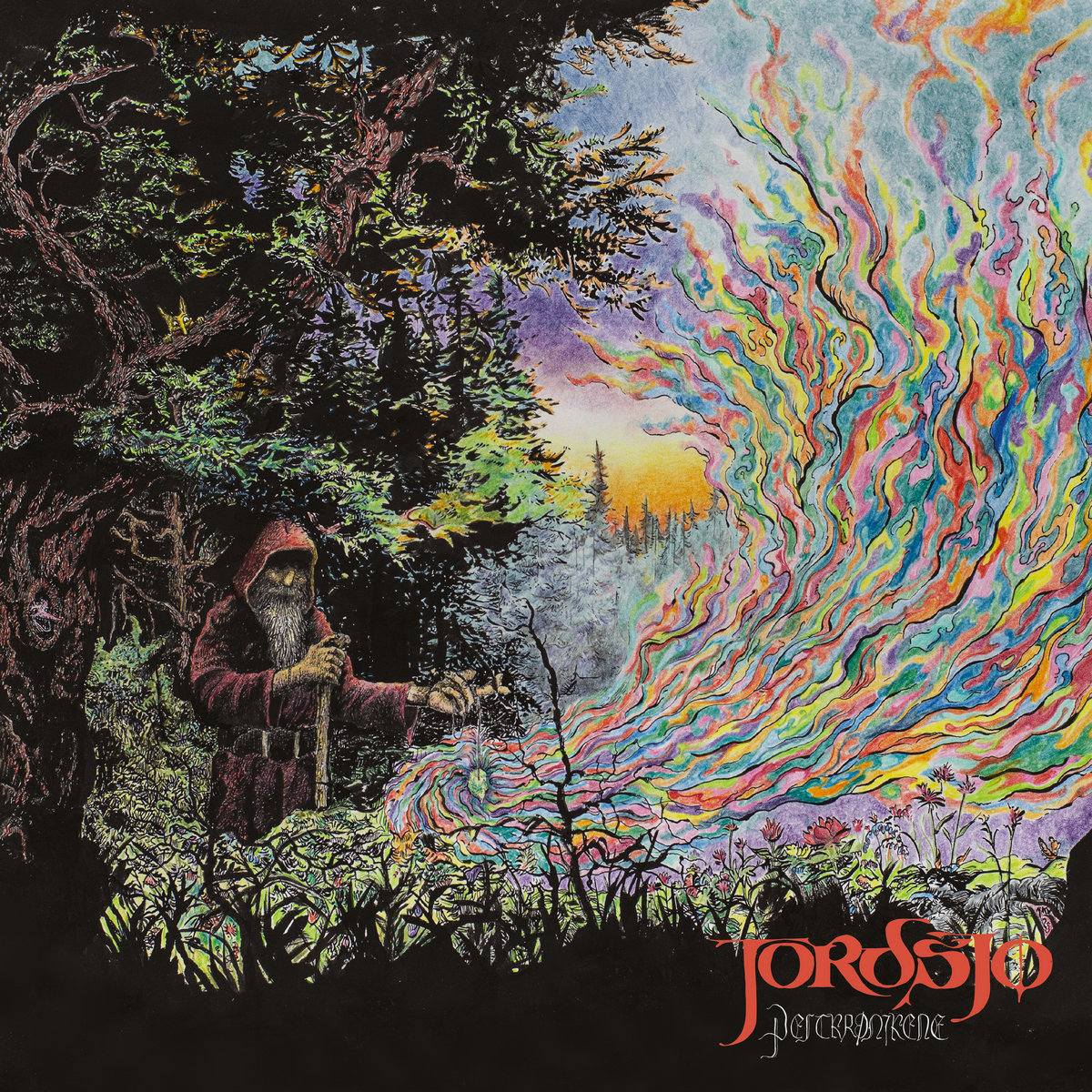
This is far from the first time Jordsjø has been featured on this site. They’re among the most prominent names in the flourishing Norwegian prog scene, and their music is usually pretty solid. Their last release, the split LP Kontrasterwith Breidablik, featured some of their best work ever.
What I love about Jordsjø’s usual work is the way they integrate classic Anglo-prog elements with ample Nordic folk flavors. Pestkrønikene (Eng.: The Plague Chronicles), then, marks something of a break from their usual style. The music here is much heavier, harder, and fuzzier, drawing from classic heavy psych sounds. It’s certainly different from their usual output, but it’s another strong entry in their discography.
Chilean post-rock sextet Hesse Kassel are back with their second full-length release. Last year’s La Brea had a ton of really solid music on it, but on repeated listens, its biggest hindrance is its crushing length. Eight songs with an average runtime of nearly ten minutes can make for an exhausting experience, even in the hands of very skilled songwriters and musicians. The songs on Morir Saltando (Eng.: To Die Jumping) retain all the strengths of those on their debut, but they are more focused, giving them more impact.